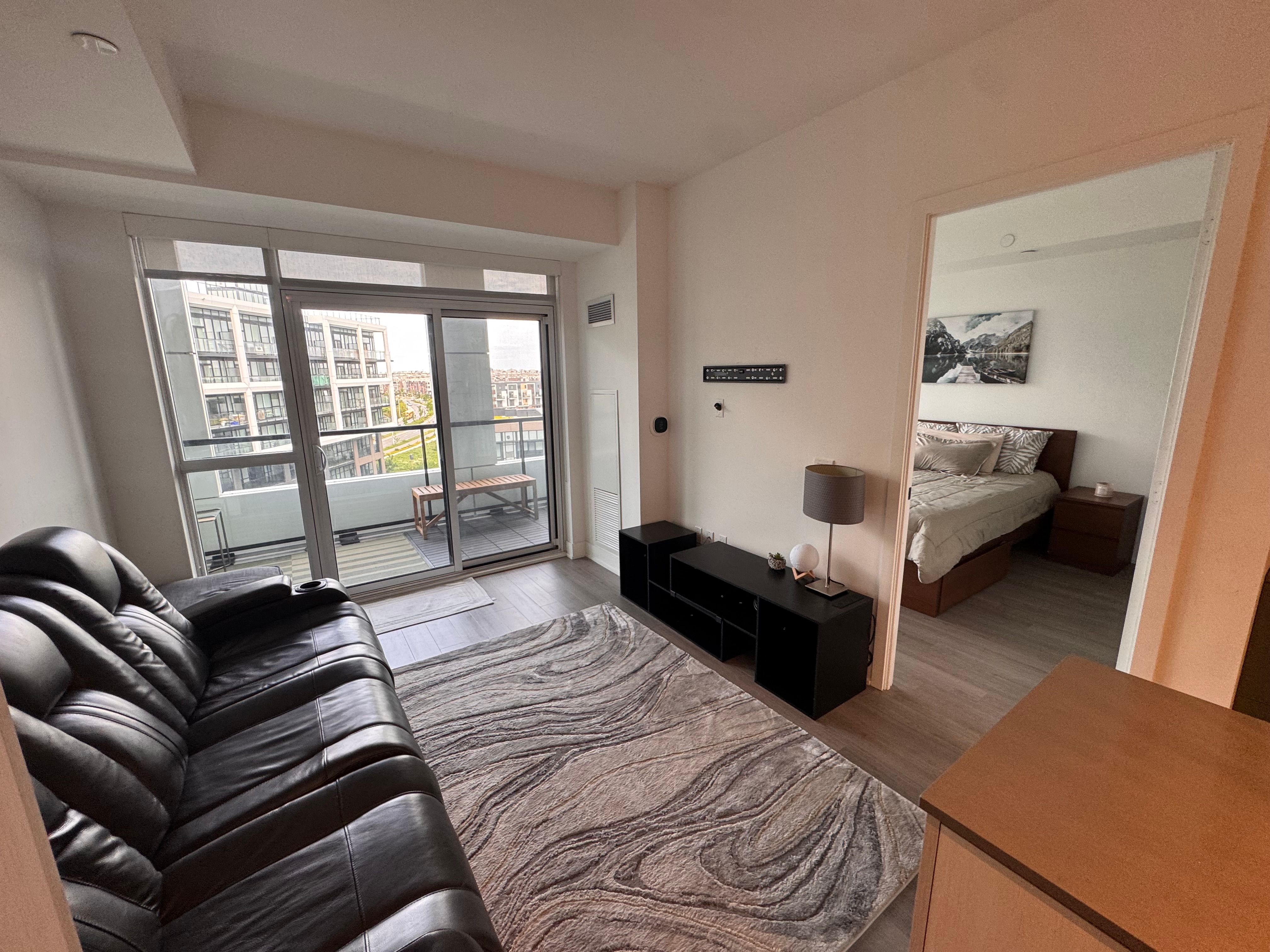

Buying your first condo in Toronto is one of the most exciting — and overwhelming — milestones you'll hit. The market moves fast, the terminology is dense, and there are a hundred decisions to make before you sign on the dotted line. I've helped many first-time buyers through this process, and I wrote this guide to give you the clarity and confidence you need. Whether you're eyeing a brand-new build in North York or a classic unit downtown, here's everything I wish my clients knew before they started shopping.
In This Guide
- 1. Toronto's Condo Market Landscape in 2026
- 2. What to Look for in a Condo Building
- 3. Understanding Maintenance Fees
- 4. Reserve Funds: The Detail You Can't Ignore
- 5. Building Amenities That Actually Matter
- 6. Popular Neighbourhoods for Condo Living
- 7. Transit Access and Walkability
- 8. Investment Potential: Thinking Long-Term
- 9. Navigating the Condo Buying Process
- 10. A Real Example: Unit 608 at 50 George Butchart Drive
Toronto's Condo Market Landscape in 2026
Toronto remains one of Canada's most active real estate markets, and condominiums continue to make up a significant share of available inventory. In 2026, the market offers a mix of opportunity and challenge for first-time buyers. Inventory levels have improved compared to the tight conditions of recent years, giving buyers more choices — but desirable units in well-managed buildings still move quickly.
For first-time buyers, the condo market is often the most accessible entry point into Toronto real estate. Condos typically come at a lower price point than detached or semi-detached homes, and many include amenities, parking, and storage that would cost significantly more as add-ons in the freehold market. The trade-off is monthly maintenance fees and shared governance through a condo corporation — which is exactly why doing your homework matters.
What to Look for in a Condo Building
When you're shopping for a condo, you're not just buying a unit — you're buying into a building and a community. The unit itself might be perfect, but the building's management, financial health, and infrastructure can make or break your experience. Here are the key areas to evaluate:
Age and Condition of the Building
Newer builds (under 10 years old) typically feature modern finishes, up-to-date building codes, and lower immediate repair risks. Older buildings can offer larger floor plans and established communities, but may come with higher maintenance fees and upcoming special assessments. Ask about the building's age, recent capital projects, and any planned renovations.
Condo Corporation Management
A well-managed condo corporation is one of the most important factors in your purchase. Request the status certificate — this document contains the corporation's financial statements, reserve fund study, bylaws, insurance details, and any outstanding legal issues. Your real estate lawyer will review it, but you should understand the basics: Is the reserve fund healthy? Are there any pending special assessments? Are maintenance fees in line with comparable buildings?
Layout and Livability
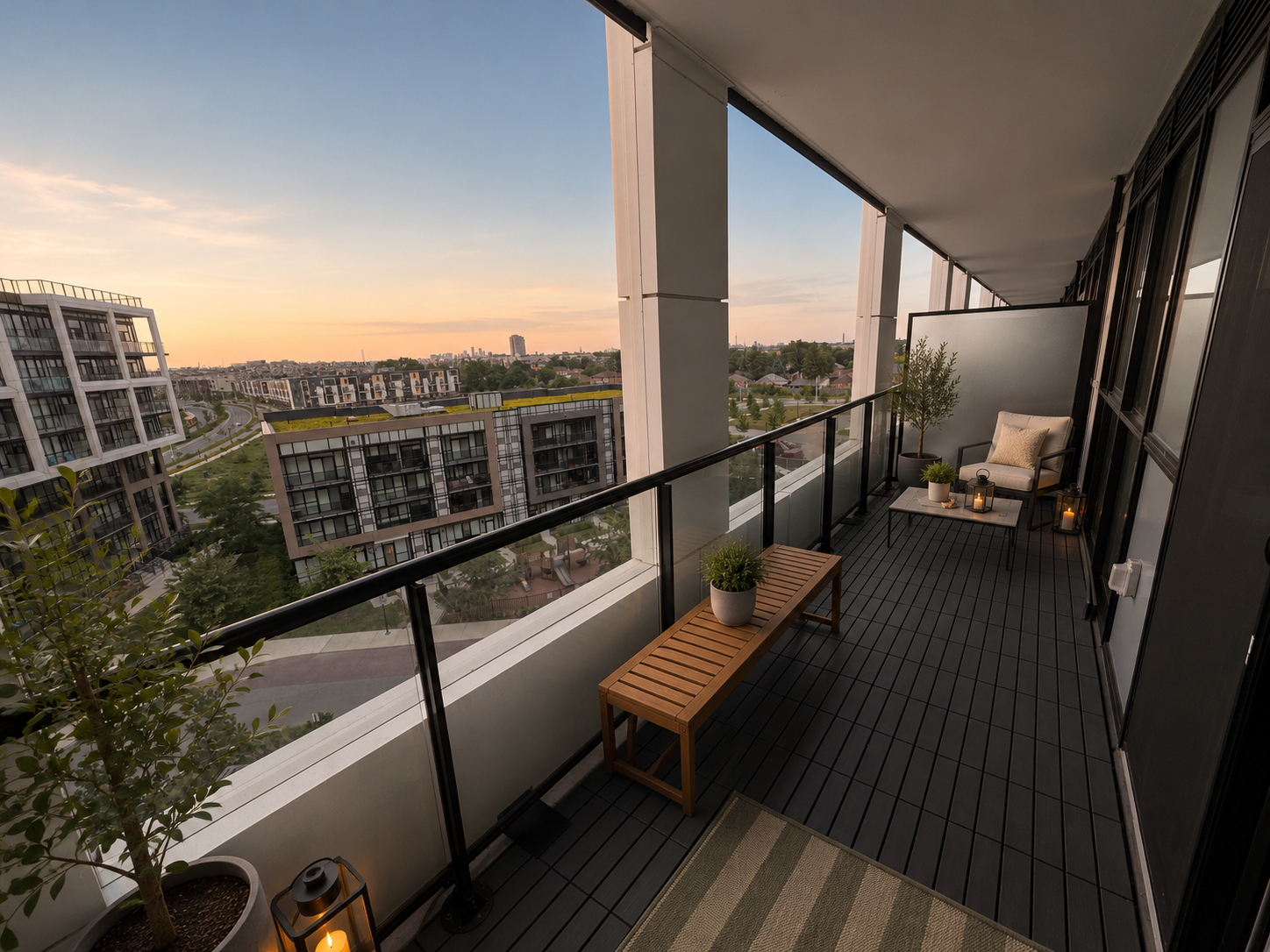
Not all two-bedroom condos are created equal. Pay attention to the actual layout — is the second bedroom a real room with a window and a door, or a den masquerading as a bedroom? Does the unit have in-suite laundry? Is the kitchen functional for how you actually cook and live? Floor-to-ceiling windows, open-concept layouts, and balcony access are features that genuinely improve day-to-day living, not just listing bullet points.
Understanding Maintenance Fees
Maintenance fees are the monthly cost of owning a condo, and they cover the building's shared expenses: insurance, common-element maintenance, concierge services, amenity upkeep, utilities for shared spaces, and contributions to the reserve fund. In Toronto, fees vary widely — from under $0.50 per square foot to well over $0.80 — depending on the building's age, size, and amenity package.
What's Typically Included
- Building insurance (not your personal contents policy)
- Common-element maintenance and repairs
- Water and sometimes hydro for the unit
- Amenity access (gym, pool, lounge, etc.)
- Reserve fund contributions
- Some buildings include internet and cable — a significant perk
One of the smartest things you can do as a first-time buyer is compare the maintenance fees of similar buildings side by side. A unit with $350/month fees isn't necessarily a better deal than one at $450 — it depends on what's included. At 50 George Butchart Drive, for example, condo fees include internet, which removes a recurring expense that typically costs $60–$100 per month on its own. When you're budgeting, always look at the total cost of ownership, not just the sticker price.
Reserve Funds: The Detail You Can't Ignore
If there's one piece of condo-buying advice I give every single client, it's this: look at the reserve fund. The reserve fund is the building's savings account for major capital repairs — roof replacement, elevator modernization, HVAC systems, parking garage repairs, and other big-ticket items that no monthly fee can cover in a single payment.
A healthy reserve fund means the building has planned ahead. A depleted or underfunded reserve can mean surprise special assessments — one-time fees that can range from a few thousand dollars to tens of thousands, charged to every unit owner to cover a shortfall. This is one of the most common financial surprises for first-time condo buyers.
When reviewing the status certificate, look for the reserve fund study. It will show the current balance, projected contributions, and planned expenditures over the next several years. A newer building (say, under 5 years old) typically has a smaller reserve because it hasn't needed major repairs yet — that's normal. But the contributions should be adequate relative to the study's projections. If anything looks unclear, your real estate lawyer can help you interpret it.
Building Amenities That Actually Matter
Amenities are one of the biggest draws of condo living, and developers know it — which is why every new building markets itself as a "lifestyle experience." But not all amenities are created equal. Here's my honest take on what matters and what's nice to have:
Gym / Fitness Centre
A well-equipped gym saves you a separate gym membership ($50–$80/month). Look for one with both cardio and strength equipment — not just a room with a treadmill.
Outdoor Lounge / BBQ Area
This is where condo community really happens. A well-designed outdoor space with seating, grills, and greenery extends your living area significantly in warmer months.
Kids' Play Room
For families, this is a genuine game-changer — especially during Toronto winters. A dedicated, safe indoor play space adds real daily value.
Party / Social Lounge
Useful for hosting larger gatherings that won't fit in your unit. Look for a space that's well-maintained and bookable.
Other amenities like yoga studios, media rooms, and co-working spaces are great bonuses, but evaluate them honestly: Will you actually use them regularly, or are they just impressive on a tour? The amenities that matter most are the ones that fit your lifestyle and save you time or money.
Popular Neighbourhoods for Condo Living in Toronto
Toronto's neighbourhoods each have a distinct personality, and the right one for you depends on your lifestyle, commute, and priorities. Here's a snapshot of areas where condo buyers are finding strong value in 2026:
North York / Downsview Park
This area has evolved into one of Toronto's most compelling places to live. With TTC Line 1 and GO Transit at Downsview Park Station, Highway 401 and 400 access, and 300 acres of urban parkland right outside your door, the combination of transit, green space, and modern condo inventory is hard to beat. Newer-build condos here offer more square footage and amenities for the price compared to the downtown core. It's a neighbourhood that's still growing into its potential — which is exactly where smart buyers want to be.
Downtown Core (Entertainment District / King West)
The classic Toronto condo experience: walk to restaurants, nightlife, the CN Tower, and the waterfront. Premium pricing, but unbeatable for walkability and urban energy. Best for buyers who prioritize location over square footage.
Midtown (Yonge & Eglinton / Mt. Pleasant)
A blend of urban convenience and residential neighbourhood character. The Eglinton Crosstown LRT has improved transit dramatically. Great dining, shopping, and a strong sense of community. Condos here attract young professionals and downsizers alike.
Liberty Village / King West
Popular with young professionals for its walkability to the waterfront and downtown, plus a concentration of restaurants, cafes, and gyms. Older condo stock with larger units at more accessible price points.
Scarborough / Humber Bay
Waterfront living without the downtown price tag. Humber Bay offers stunning lake views and trail access, while Scarborough is attracting new development and infrastructure investment. Both are strong picks for value-conscious buyers willing to look beyond the core.
Transit Access and Walkability
In Toronto, your commute can define your quality of life. When evaluating a condo, look beyond the listing and think about how you'll actually get around:
- TTC subway access: Proximity to a Line 1 or Line 2 station can add real value and save you hours every week. Buildings near Downsview Park Station, for example, put you on a direct subway to Union Station, York University, and the entire Yonge corridor.
- GO Transit: For commuters who travel across the GTA, proximity to a GO station is a significant advantage. Downsview Park and other North York stations connect you to the broader regional transit network.
- Walkability: A high Walk Score means daily errands — groceries, coffee, restaurants, pharmacies — are on foot. Check the Walk Score for any address at walkscore.com before you commit.
- Cycling infrastructure: Toronto's bike lane network continues to expand. If you cycle, look for buildings with bike storage and proximity to protected lanes.
- Highway access: For drivers, proximity to the 401, 400, DVP, or Gardiner can simplify cross-city commutes. North York has particularly strong highway connectivity.
Investment Potential: Thinking Long-Term
Even if you're buying your first home to live in, it's smart to think about resale value. Condos in newer buildings with strong management, desirable amenities, and good transit access tend to appreciate more consistently over time. Here are the investment factors I watch:
Neighbourhood Trajectory
Buy in areas with active development, transit investment, and infrastructure improvements. Downsview Park is a textbook example — the master-planned community, transit upgrades, and parkland are driving long-term value.
Building Quality and Reputation
Well-built, well-managed buildings hold their value better. Look for quality construction, a responsive property management company, and positive resident reviews.
Unit-Specific Features
In-suite laundry, parking, storage lockers, and desirable floor plans (real 2-bedrooms, not 1-bed-plus-den) consistently command higher resale premiums.
As a first-time buyer, your home is likely your largest asset. Choosing a condo that balances personal livability with long-term market appeal is the smartest move you can make.
Navigating the Condo Buying Process
If this is your first time buying real estate, the process can feel intimidating. Here's a straightforward roadmap:
1. Get Pre-Approved for a Mortgage
Before you start touring units, know your budget. A mortgage pre-approval tells you exactly what you can afford and strengthens your offer when you find the right place. Work with a mortgage broker or your bank to get this sorted early. Factor in closing costs (typically 1.5%–4% of the purchase price), land transfer tax, and ongoing maintenance fees.
2. Hire a Condo-Savvy Real Estate Agent
Not all agents have equal experience with condos. Look for someone who understands status certificates, condo corporation governance, and the nuances of different building types. A good agent will help you evaluate not just the unit, but the building and the financial health of the corporation.
3. Tour Buildings and Compare
Visit buildings in person, at different times of day. Check the lobby, hallways, parking garage, and amenity spaces for signs of maintenance quality. Talk to residents if you can. A well-run building shows in the details — clean common spaces, working elevators, responsive concierge staff.
4. Review the Status Certificate
Once you've found a unit you love, your agent will request the status certificate. This is the condo corporation's financial and legal snapshot. Have your real estate lawyer review it thoroughly — they'll flag any red flags around reserve fund health, pending litigation, special assessments, or unusual bylaws.
5. Make a Conditional Offer
In Ontario, offers on resale properties are typically conditional on financing, home inspection, and review of the status certificate. These conditions protect you. Don't waive them just to be competitive — especially on the status certificate review. Your lawyer's assessment of the condo corporation's finances is your most important protection.
6. Closing Day
On closing day, you'll sign final documents, pay your down payment and closing costs, and receive the keys to your new home. Your lawyer handles the legal transfer, and your agent will walk you through the final steps. From here, the condo is yours — and the lifestyle begins.
A Real Example: Unit 608 at 50 George Butchart Drive
If you want to see what a smart first-time buyer purchase looks like in 2026, take a look at Unit 608 at 50 George Butchart Drive in North York's Downsview Park community. It checks every box I've outlined in this guide:
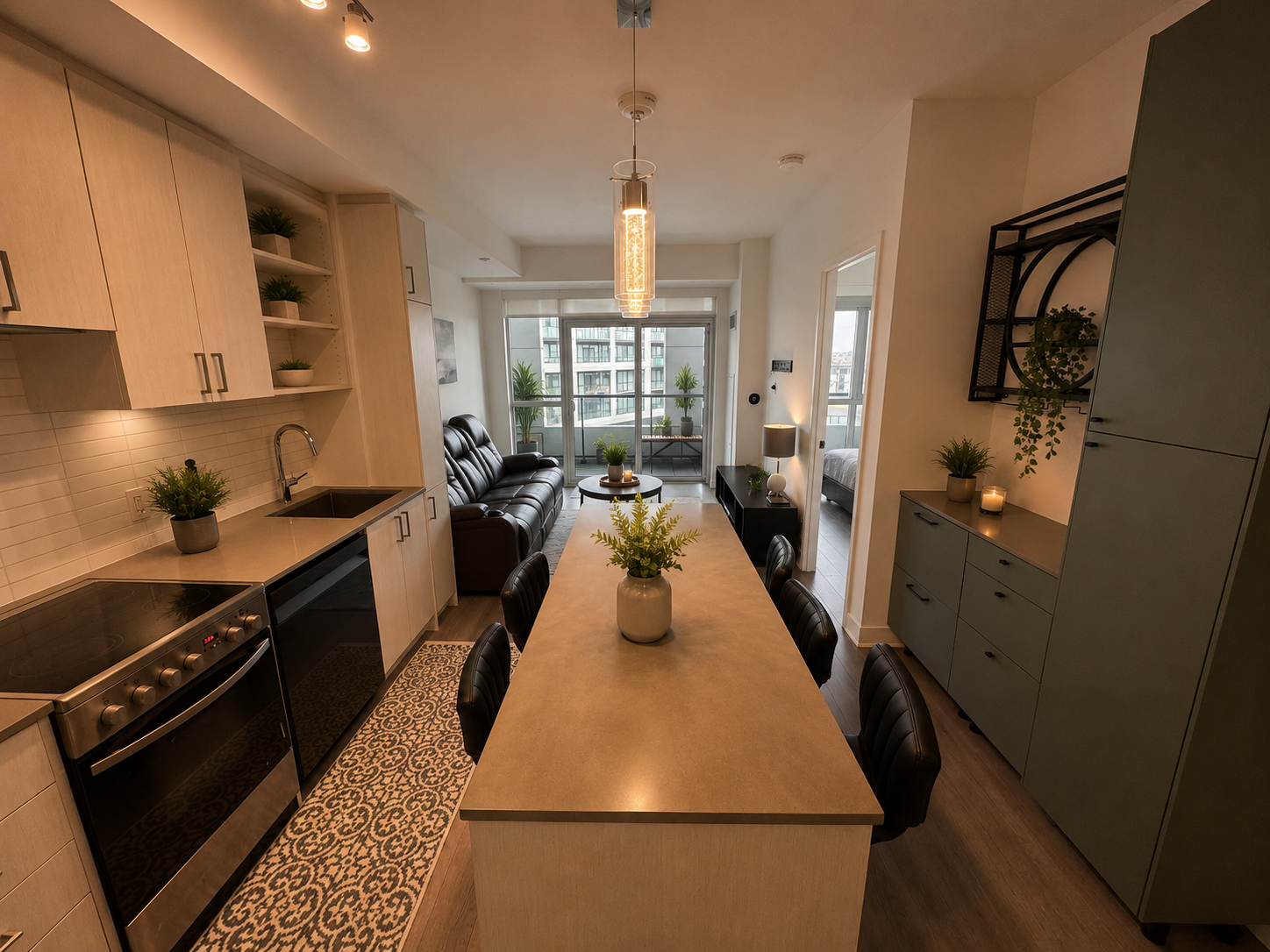
- True 2-bedroom, 2-bathroom layout — no converted dens, both bathrooms are full-sized
- Modern finishes — floor-to-ceiling windows, upgraded kitchen with custom sage green cabinetry, quartz countertops
- In-suite full-size laundry — not a compact stacked unit, but a real washer and dryer
- Parking plus storage — one underground parking space and a locker included
- Internet included in condo fees — one less bill to manage each month
- Resort-style amenities — gym with boxing area, yoga studio, kids' play room, media room, indoor and outdoor lounges, BBQ courtyard
- Newer-build construction — modern building codes, current finishes, growing reserve fund
- Transit-connected location — TTC Line 1, GO Transit, and highway access all within minutes
It's the kind of property that works for a first-time buyer, a couple needing space, an investor looking at a growing neighbourhood, or anyone who values quality finishes and a connected lifestyle. It's a real-world example of what this guide recommends — and that's not a coincidence.
Quick Checklist for First-Time Condo Buyers
- Get mortgage pre-approved before you start shopping
- Review the reserve fund and status certificate with a lawyer
- Compare maintenance fees across similar buildings
- Visit buildings at different times of day and week
- Check transit access, walkability, and neighbourhood trajectory
- Evaluate amenities based on your actual lifestyle, not the tour wow-factor
- Think about resale value, not just today's needs
- Always make your offer conditional — protect yourself
Buying your first condo doesn't have to be stressful. With the right preparation, the right team, and a clear understanding of what matters, you can make a decision you'll feel great about for years to come. If you have questions about the Toronto condo market, want to tour available properties, or just need a sounding board as you start your search — I'm here to help.